
Positive pen power!
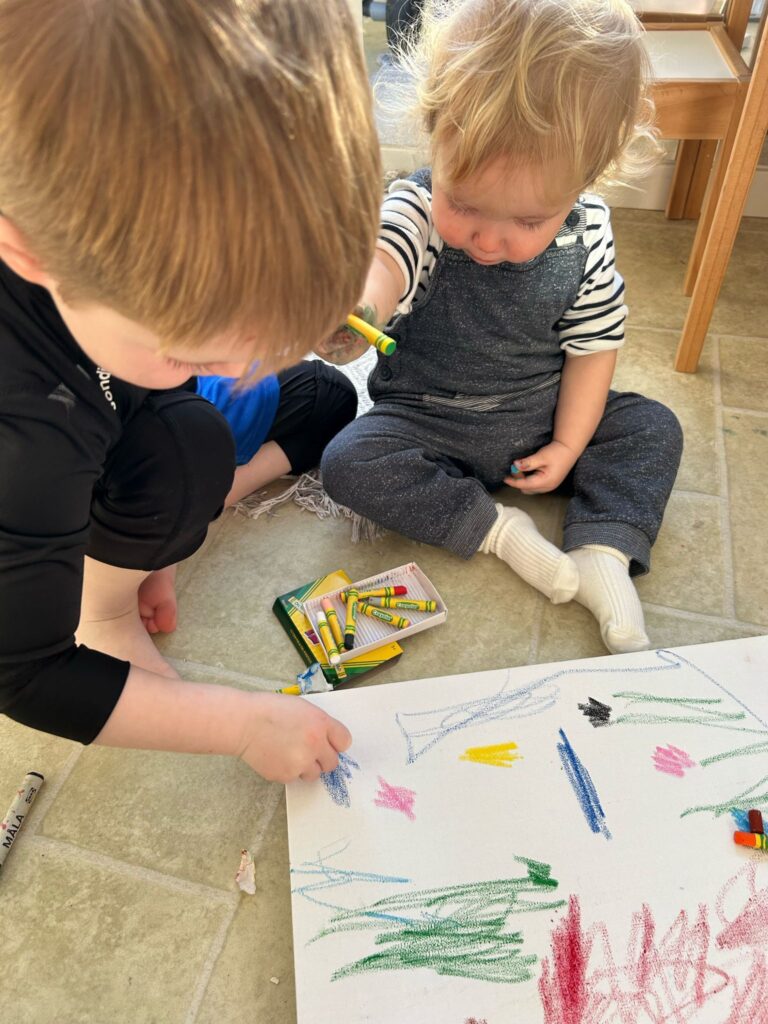
There has been lots of research showing there is a clear difference between boys interest in writing and that of girls.
Lots of boys tend to be more physically active and avoid table top activities, therefore we need to think creatively about how to encourage boys to write.
Variety is key to keep things fun and to keep your child motivated!
We need to remind ourselves about the significance of developing the bigger muscles in our bodies and then move onto the smaller muscles in fingers.
Strengthening your baby’s core, moving onto the crawling stage, then walking and jumping etc all eventually help your child to hold a pencil.

Top tips:
- Follow your child’s lead and interests: your child will want to try new things and engage when they are having fun with something they are interested in
- Make it playful and join in: get into character and model writing in play, and hopefully your child will copy you and have a go themselves
- Give your child a purpose to write: boys are more likely to make marks and write when it is for a reason as it feels more exciting, for example – making a sign for their den, invitations to a teddy bears picnic, post it notes because they can move them around, big and small pencils/pens
- Introduce writing and mark making into everyday play: you could make a map with your child to go with their train set, create prices labels for food when you are playing ‘shops’ together, and tape some crayons to their toys (such as cars) so that when they play with them, they are also mark making
- Mark making: this is a significant stage for for both boys and girls which should be encouraged as a big and fun activity – give your child different tools to use such as sticks in mud, cotton buds and paint, feathers in flour, chalk on wood etc
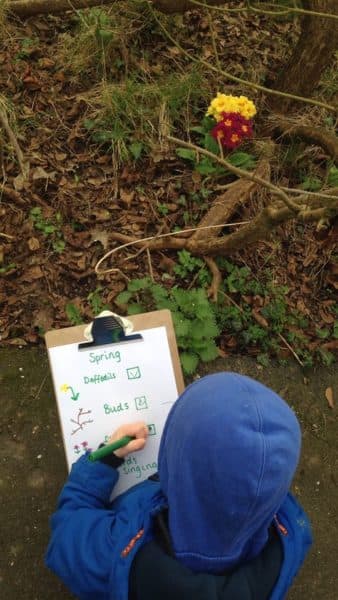
- Make it big and go outdoors: many boys have a preference to learning outside where they can be active and have lots of space – your child needs to develop physical muscles in their shoulders, elbows and wrists so the bigger the marks they can make in the early stages, the better
- Use a range of resources: your child doesn’t have to just use paper, they can use chalk on the floor, water and paintbrushes on a fence, a whiteboard or something small like a post it note
