
Filter Your Theme
Filter By Keyword
Filter By Developmental Stage
-

Navigating Change
Change champions! Small children are constantly growing and developing, whilst life around them is continually changing. From taking their first steps, to welcoming a new sibling or starting at school, your child will encounter so many new environments, different people and new experiences. All these come with new language, rules, expectations and emotions. Some children…
-

Homemade Pancakes
Perfect pancakes made easy! Cooking pancakes is a great activity to encourage lots of talking with your child! New words you can introduce: What you need: Allergy Disclaimer: Always check the label of each ingredient for allergy warnings What to do: Recipe Source: Delia Smith, BBC Food – Kid’s Pancake Recipes Top tips:
-

Screen Time
Smart parenting in a digital world! The first 1,001 days are a critical period for a child’s development. Research shows us that babies and young children achieve the most development when an adult engages with them through playful learning on a regular basis – chatting, playing, and reading. This will help them build strong emotional…
-

A Christmas Adventure
Merry and bright delight! The weeks leading up to, and during, Christmas can get very hectic. There is lots you can do with your little one to ensure you have quality time together this season with some magical moments! Top tips: Leading up to Christmas During and after Christmas
-

Arts and Crafts
Getting crafty with Stick Man! Creativity plays a crucial part in your child’s learning and development. It contributes to many aspects of learning such as curiosity, imagination, and problem solving. Arts and craft activities are a fun and powerful way to support your child’s speech and language skills. Your child will practise listening, following instructions,…
-

A Halloween Journey
Spells, stories and scribbles! Did you know there are four strands to supporting your child’s Early Literacy? These are: For young children, Halloween can provide multiple opportunities for learning and development in all of these strands! Top tips: Create a Halloween Story Map to develop your child’s early writing skills: A story map is a…
-

Going to the Seaside
We do like to be beside the seaside! For young children, a trip to the seaside can provide opportunities for learning and development as part of the The Prime Areas of Learning – TLC. All the new experiences that come with a visit to the beach support your child’s personal, social and emotional development, helping…
-

Box Play
Thinking inside the box! With the popularity of online shopping, cardboard boxes are a regular feature in many homes. So, before you add these boxes to the recycling pile, consider how they can be used in play! With a humble cardboard box, the opportunities for imaginative play, vocabulary development, and fine motor skills practice are…
-

Developing Language in Nature
Nattering in nature! The best thing about being in nature is it instinctively promotes language! Firstly, being in nature helps your child develop their listening skills. They learn to tune in to the sounds around them, like birds chirping, leaves rustling, or waves lapping. This careful listening is crucial for language development, as it helps…
-

Nature Play
Wild and wonderful! Young children love to be outdoors and they usually head to a garden, playground, or park. These places are well-kept, with trimmed grass, cleared weeds, and tidy equipment. These spaces are great for children to play, run around, take risks, and develop their senses. But ‘outdoor play’ isn’t always the same as…
-
Small World Play
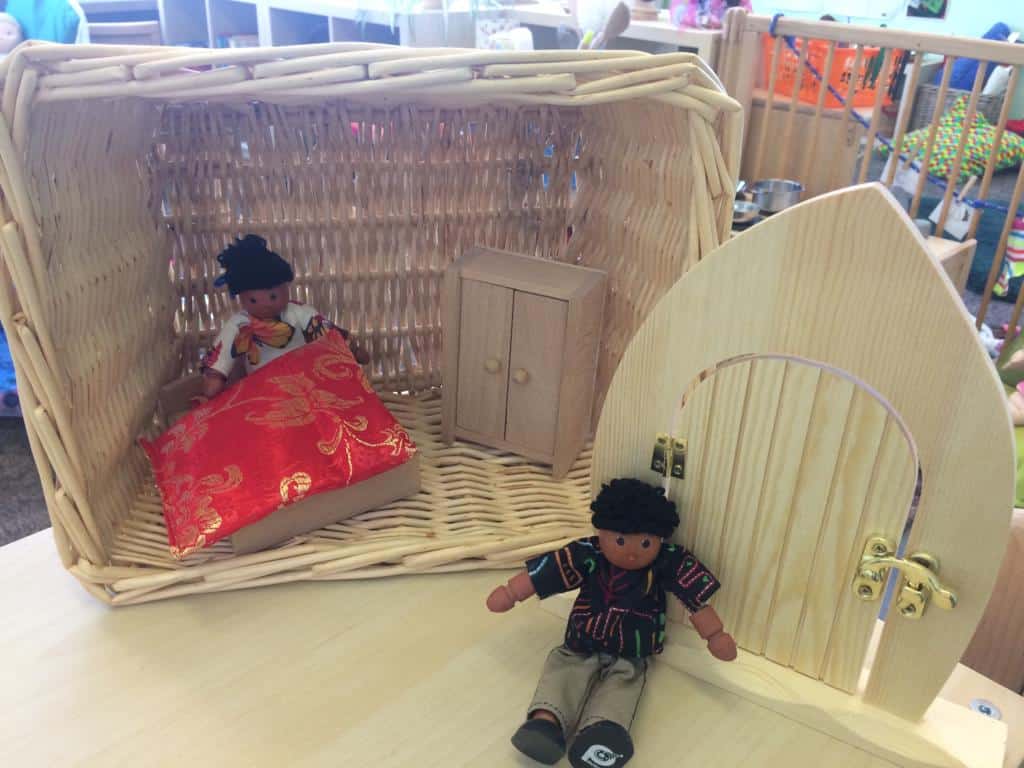
It’s a small world! Small world play is a type of imaginary play that uses small toys and props to help your child to act out scenes from their daily life, or create fantasy worlds of their own! This type of play provides your child with opportunities to develop ideas, concepts such as size and…
-

Park Play
Swing, skip, slide! Parks and playgrounds help your child’s development in so many ways, and sharing the experience alongside your child is a perfect opportunity to build their confidence and vocabulary! Benefits: Top tips:
-
Homemade Brownies
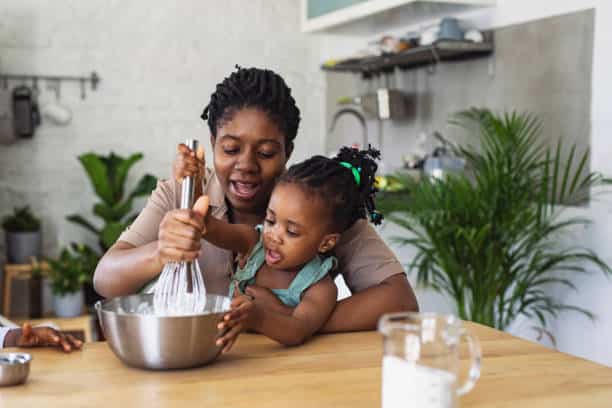
Making sweet memories! Baking with your child is a great source of learning and development. It does not have to be a complicated recipe – in fact, the simple ones are the best because it is about the process, not necessarily the outcome! Baking can help to develop: Why not try making this recipe for…
-
Home-Start Colchester, Jaywick and Clacton
Home-Start is a family support service. About Home-Start Colchester, Jaywick and Clacton Starting in the home, the Home-Start approach is as individual as the people we’re helping. No judgement, it is just compassionate, confidential help and expert support. Across the North East Essex quadrant there are two independent Home-Start charities both rooted into the local communities…
-

Home-Start Harwich
Home-Start is a family support service. About Home-Start Harwich Starting in the home, the Home-Start approach is as individual as the people we’re helping. No judgement, it is just compassionate, confidential help and expert support. Across the North-East Essex quadrant there are two independent Home-Start charities both rooted into the local communities they service. Home-Start Harwich…