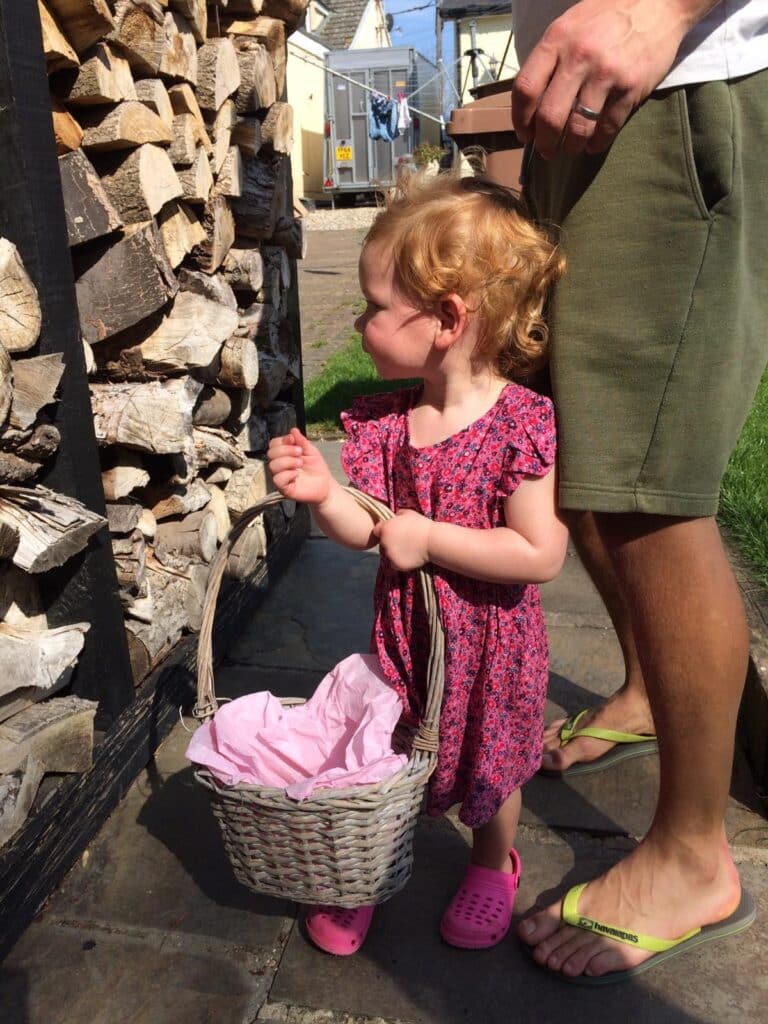
Playful minds!
Have you noticed that your child does the same thing over and over again, has fascinations and likes to repeat the same actions?
This is called a ‘schema’ and its how children learn, make sense of the world and themselves.

These are the more common types of schema:
- Trajectory: creating lines in space by climbing up and jumping down, or dropping objects from up high
- Positioning: putting things into groups and lining them up
- Enveloping: wrapping items up or putting them into containers
- Rotating: enjoys running around in circles, and likes turning objects around
- Enclosing: adding barriers to play areas, for example building fences around animals or creating borders on their pictures
- Transporting: moving items from one area to another
- Connecting: setting out and dismantling tracks, constructing, and joining items together
- Orienteering: placing themselves or objects in different places or positions, for example the other way round or upside down

Top tips:
- Follow your child’s lead with their play: they will love showing you what they like to do
- Spend some time observing your child playing: this will enable you to develop a greater understanding about how they play and learn, which in turn, will help you to support their learning
- If your child likes transporting, provide them with portable resources: for example a bag, box, basket, buggy etc in order for them to move items around – this will help you to understand why they always move their toys instead of playing them in one place