
Playful minds!
Play is about having fun, whether it be an organised activity or unstructured. It underpins your child’s learning and development, and helps them get ready for school.
Play allows your child to explore their immediate world, recreate previous experiences, practise new ideas, take risks, solve problems and use their imagination – the learning opportunities are endless!
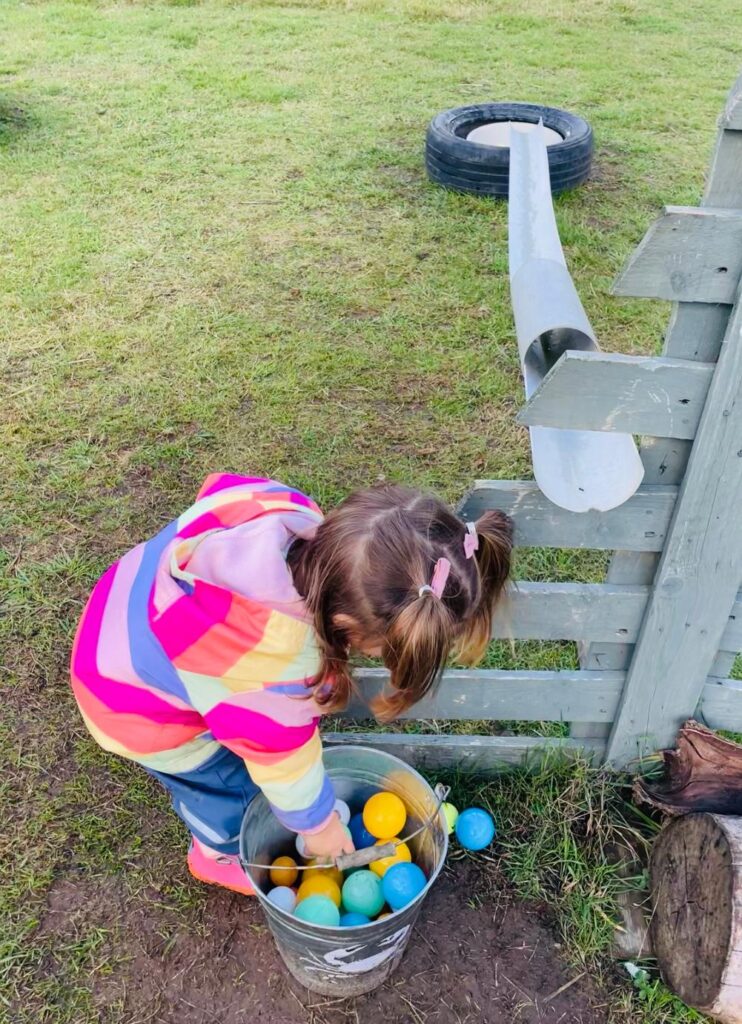
Play supports language, social, emotional, physical and creative development and it can also help build your child’s resilience and their independence skills.
It can be a spontaneous and natural response, and something we as adults should encourage and provide opportunities for.
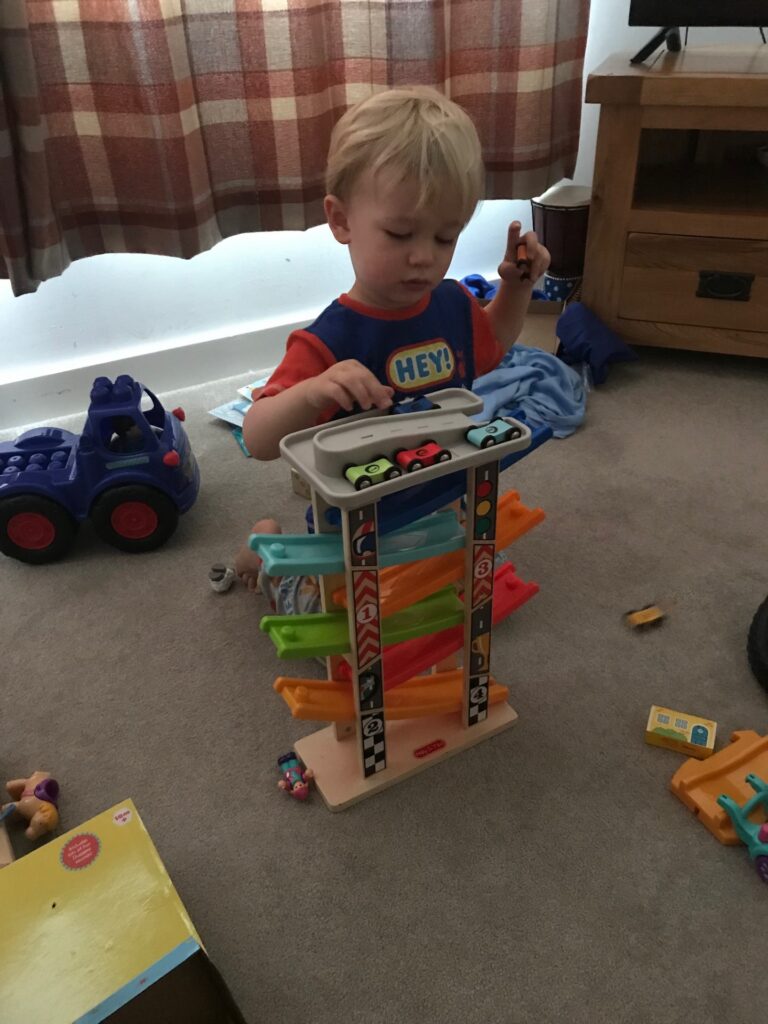
The role of the adult is vital for play to be such a rich learning experience; you can support your child’s learning by being a role model, by listening, offering encouragement, and providing the time and space for exploration.
“Almost everything that we become as adults has its roots in play.” – Sue Palmer, play expert
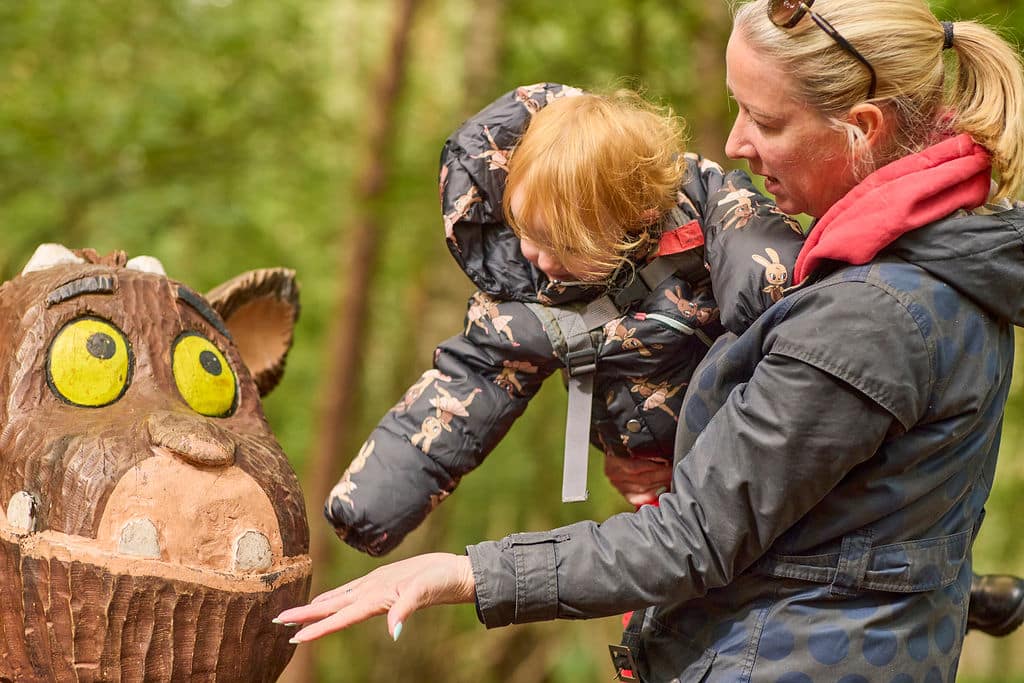
Top tips:
- Get down to your child’s level: this allows you to be fully involved in their play and for your child to know that you are together in the play
- Comment on what you child is doing: this helps your child make a connection between the spoken language and the object they are playing with
- Follow your child’s gaze and what they are interested in: your child will learn best when you are following their focus and their lead, as it motivates them and they stay focused for longer
- Turn off the background noise: your child cannot tune out background noise, so turning off all distractions such as the television, radio, phone etc will allow them to hear your spoken words and stay focused on their play
- Make the most of the time: let your child take their time to explore the activity – try to resist the urge to take over and do it for them so they get to experience any challenges they may be presented with
- Do it again and again: your child will learn from repetition, so doing things over and over again allows them to master the skill – the more they practice and master new skills, the more likely they are to take on new challenges and continue their learning