
Filter Your Stage
Filter By Keyword
Filter By Prime Area
Filter By Specific Area
-
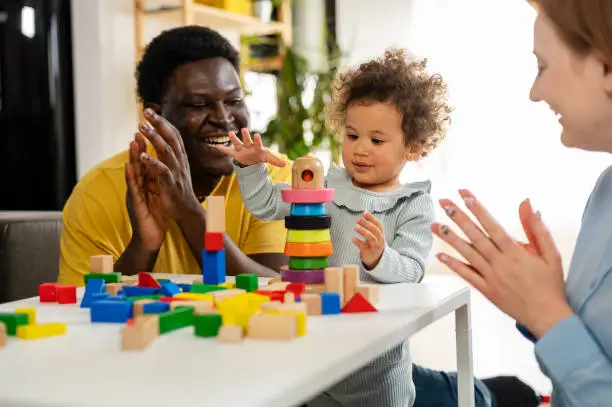
Interaction and Communication
Making the most of playtime! Children have fun, explore their world and learn all through play. Playing together provides so many opportunities for developing communication skills too! Top tips:
-

Using Gestures
Handy talk! Gestures and visual supports help to reinforce information that is given verbally during play or instructions. They can help your to child understand, make choices, know what to expect in a given situation, and learn new words. Top tips:
-
Talking With Your Toddler Webinars
Speech and Language UK is a children’s communication charity. Speech and Language UK are offering free webinars for parents of children aged 12 months to 4 years who are concerned about their child’s talking and understanding of words. They offer seven different themed webinars which are led by an experienced speech and language therapist. Each…
-

Supporting Your Child’s Speech and Language Development
Your very own talking toolkit! It makes a huge difference when family members support their child’s speech, language and communication at home. In this recorded webinar we share how speech, language and communication develops, and how adults can support this development during everyday experiences. We share our Talk, Listen, Cuddle Top Ten Talking Tips – these…
-

Teddy is Going to School
Big feelings, little games! Change, feelings and emotions can be tricky to navigate with young children. Sometimes it helps if your child has a teddy or other toy they can relate to in the situation instead of themselves. This helps your child to talk about a situation ‘safely’ and explore how the toy might feel.…
-

Keep Your Cool at School
Change champions! Starting at primary school can be a big change. Some children will embrace the change and settle straight into the new routine smoothly, or some children may find it slightly harder and need a little bit of support – and that’s ok! Top tips: View and download your own copy of our ’12…
-
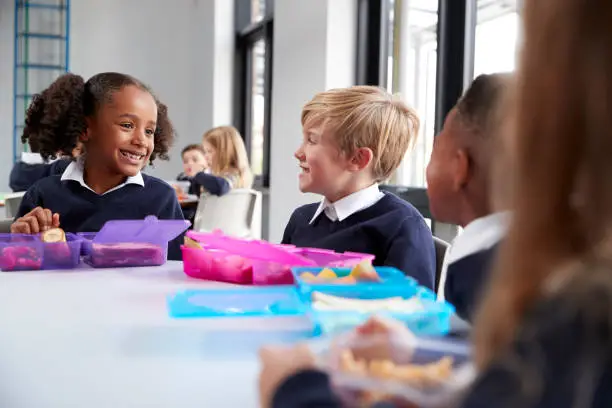
School Uniform and Lunch
Look sharp, lunch smart! Helping your child feel ready for school can be embedded into every day activities leading up to their first day. Two important things are getting school uniform and preparing for lunch time. It can be exciting to try new things on the adventure of growing up – make sure you have…
-

Catch Me Reading
Little readers, big adventures! Reading with your child is great for developing their love of books – snuggling up with your child and some books can be a special part of your routine! When we first become parents, something we quickly discover is how little time we have to do the things we used to…
-

Makaton
Say it, sign it! Makaton is a language programme made up of symbols and signs that accompany speech, and is shared with young children to support early speech and language development. Research shows us that using gestures and signs when we are talking and singing helps children with their understanding and to learn new words.…
-

Developing Spoken Language
Chatter matters! Young children need to use words and sentences to talk about their experiences, resolve problems, ask for help and to play. Later while at school, they need to have secure language skills in order to sequence events, re-tell stories and present their ideas. All of these skills, once secure, are then essential for…
-
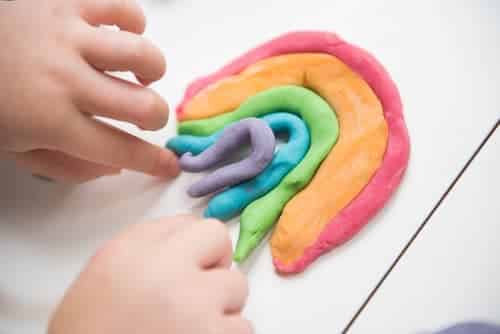
Homemade Playdough
Dough it yourself! Playdough can be made very easily using ‘ingredients’ that you have at home, and this simple activity has many benefits. Before your child can hold a pen and learn to write, they need to strengthen and learn to control the muscles in their hands. Playdough is the perfect activity to exercise little…
-

Essex Child and Family Wellbeing Service
The focus of this service is making sure that everyone in Essex has the best possible start in life through meeting the identified needs of children, young people and families. The Healthy Family Team offer routine contacts to ALL families living in Essex within the first 3 years. These are as follows: These visits will…
-

The Importance of Home Language
The gift of language! The language you speak with your child is the first language they will learn. It is their first connection to you, to the rest of their family, and to their culture and community. Home language is what your child will first use to learn about the world around them and helps them get ‘set for life’ – you…
-

Talk, Listen, Cuddle ‘At Home’ Cards
Home learning! Home is the perfect place to help your child learn to talk, in whatever language you speak! It is a place where your little one is most confident and spends the majority of their day. We have made ‘At Home’ cards to share with you some ideas and top tips for you to do at…
-

Talk, Listen, Cuddle ‘Out and About’ Cards
A whole new world! When you are out and about with your child there is lots to uncover and explore – new sounds, new smells and new things to see that are different than at home. Talking about these new experiences with your children helps them recognise them and make connections with the things they…