
Filter Your Stage
Filter By Keyword
Filter By Prime Area
Filter By Specific Area
-
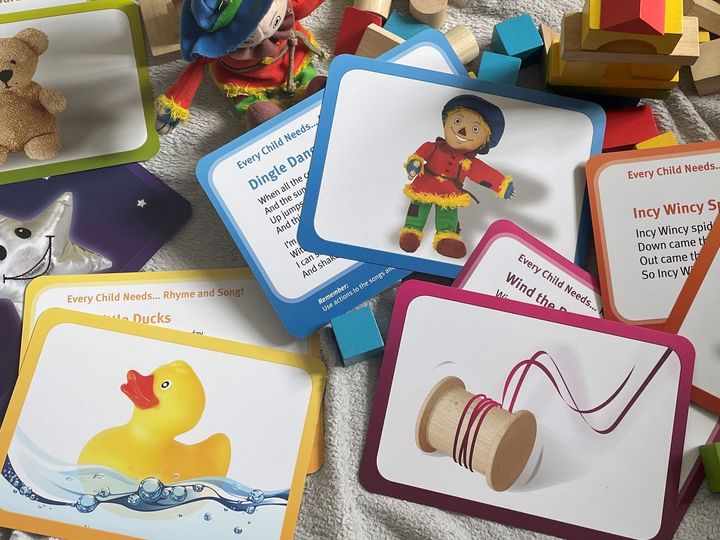
Talk, Listen, Cuddle Nursery Rhyme Cards
Research shows that children who know 8 nursery rhymes by heart at age 4, are likely to be more confident at spelling and reading by age 8! Essex parents were invited to vote for their 6 most favourite nursery rhymes, and we made them into Nursery Rhyme cards! Each card has a rhyme on the…
-

Speech and Language UK Enquiry Line
Speech and Language UK is a children’s communication charity. They have an enquiry line where you can speak to a trained speech and language therapist and ask any questions you may have about your child’s speech, language and communication needs. You may want to share any concerns you have with the trained therapist. This will…
-

50 Things to Do Before You’re 5
The ultimate checklist with ‘low cost no cost’ ideas! Playing together is one of the most important things you can do with your child to help their learning. The time you spend playing together will help them learn all sorts of things – from counting and writing, to exploring and making new friends! Here are…
-

Imaginative Play
Imagination station! Imaginative play, or ‘symbolic’ play, is important because it suggests that your child understands that one object or picture can symbolise another, just as a word represents an object. During imaginative play, your child is beginning to understand the idea of symbols, which eventually leads to being able to think in abstract ways…
-

Phonics
‘Sounds’ like fun! Phonics are the sounds that letters make, and is a method to help children learn to read and spell words. ‘Formal’ teaching of phonics takes place in schools and is made up of different phases which children learn when they are ready. Each school may use a different programme, but essentially the…
-

Raising Bilingual Children
The gift of language! The language you speak with your child is the first language they will learn. It is their first connection to you, to the rest of their family, and to their culture and community. Home language is what your child will first use to learn about the world around them and helps them get ‘set for life’ – you…
-

Tools for School
Stepping into school! Lots of parents ask us ‘how can I help my child get ready for school?’ The truth is you have been doing it since the day they were born, with the cuddles and kisses you’ve given, the songs you’ve sang, the books you’ve read and games you’ve played. All these experiences have…
-

Homemade Soup
Soup-er mini chefs in the kitchen! Cooking with your child is a great source of learning and development. It does not have to be a complicated recipe – in fact, the simple ones are the best because it is about the process, not necessarily the outcome! Why not try making this recipe for yummy and…
-

Mark Making
Celebrate the scribble! It may look like scribble to us, but early scribbling and ‘playing at writing’ is an important step on your child’s journey to becoming a writer. Your child will know what these marks mean and will love to tell you about them! Before being able to hold a small pencil, your child…
-
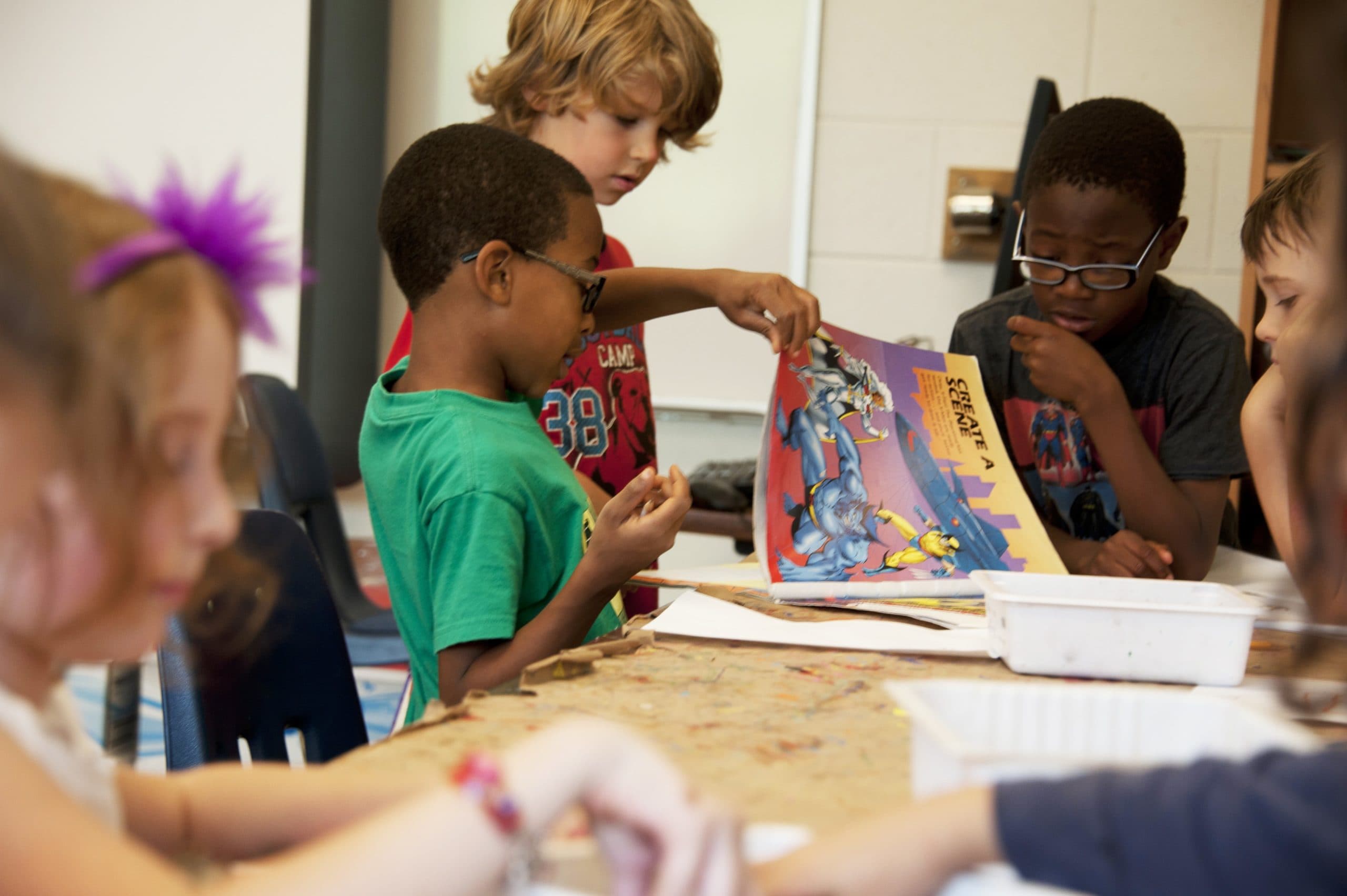
Making Friends and Joining In
Little friends, big smiles! As young children develop, they begin to interact with others more and start to join in with playful activities. For some children this happens effortlessly, but for others this can be a daunting time. Supporting your child throughout social play is really important. It will offer your child help when they…
-
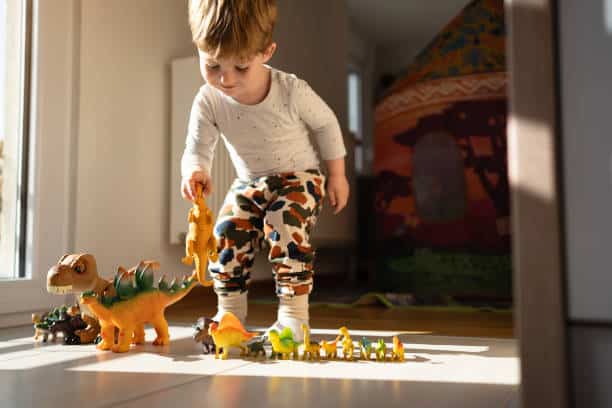
Schemas and Learning Through Play
Playful minds! Have you noticed that your child does the same thing over and over again, has fascinations and likes to repeat the same actions? This is called a ‘schema’ and its how children learn, make sense of the world and themselves. These are the more common types of schema: Top tips:
-

Essex Country Parks
Spend quality time together at Essex Country Parks! Discover the Essex Country Parks with your family! The parks offer beautiful surroundings to go on an adventure with your child. Visit the website to find out dates and times for a number of free or low-cost events. Top tips for your visit:
-

Independence Skills for School
Mission independence! Developing independence skills in young children takes time, patience and lots of encouragement. By giving your child the chance to practise new things, make mistakes and try again, it will encourage them to be independent; keep praising your child and they will keep trying. Your daily routine offers lots of opportunities for this!…
-

Sharing Stories
Little readers, big adventures! While sharing stories with your child, you may not realise it but you are developing their language, vocabulary and communication skills. You don’t have to be a great reader yourself, just sharing stories with your little one will make a difference and let their imagination run wild! Stories are a great…