
Filter Your Stage
Filter By Keyword
Filter By Prime Area
Filter By Specific Area
-

Play and Communication
It’s not about the toys, it’s about the talk! We often wonder which toys help with speech and language, but it isn’t about the toys we choose… It’s about noticing what your child wants to talk about and engaging with them! Top tips:
-

Interaction and Communication
Making the most of playtime! Children have fun, explore their world and learn all through play. Playing together provides so many opportunities for developing communication skills too! Top tips:
-

Using Gestures
Handy talk! Gestures and visual supports help to reinforce information that is given verbally during play or instructions. They can help your to child understand, make choices, know what to expect in a given situation, and learn new words. Top tips:
-

Talking With Your Toddler Webinars
Speech and Language UK is a children’s communication charity. Speech and Language UK are offering free webinars for parents of children aged 12 months to 4 years who are concerned about their child’s talking and understanding of words. They offer seven different themed webinars which are led by an experienced speech and language therapist. Each…
-

Supporting Your Child’s Speech and Language Development
Your very own talking toolkit! It makes a huge difference when family members support their child’s speech, language and communication at home. In this recorded webinar we share how speech, language and communication develops, and how adults can support this development during everyday experiences. We share our Talk, Listen, Cuddle Top Ten Talking Tips – these…
-

Teddy is Going to School
Big feelings, little games! Change, feelings and emotions can be tricky to navigate with young children. Sometimes it helps if your child has a teddy or other toy they can relate to in the situation instead of themselves. This helps your child to talk about a situation ‘safely’ and explore how the toy might feel.…
-

Keep Your Cool at School
Change champions! Starting at primary school can be a big change. Some children will embrace the change and settle straight into the new routine smoothly, or some children may find it slightly harder and need a little bit of support – and that’s ok! Top tips: View and download your own copy of our ’12…
-
School Uniform and Lunch
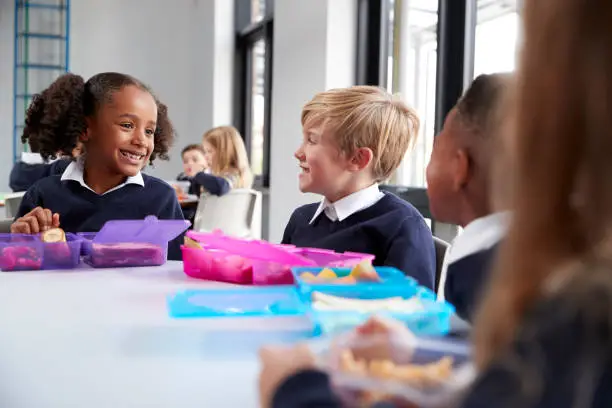
Look sharp, lunch smart! Helping your child feel ready for school can be embedded into every day activities leading up to their first day. Two important things are getting school uniform and preparing for lunch time. It can be exciting to try new things on the adventure of growing up – make sure you have…
-

Catch Me Reading
Little readers, big adventures! Reading with your child is great for developing their love of books – snuggling up with your child and some books can be a special part of your routine! When we first become parents, something we quickly discover is how little time we have to do the things we used to…
-
Language Focused Play
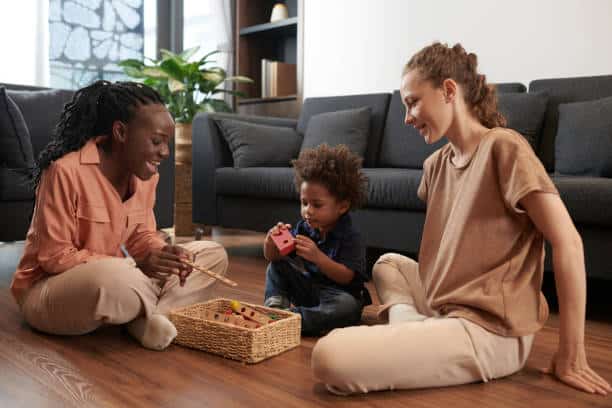
Working together with words! Language focused play is a part of the day when your child has your full attention, and gives them an opportunity to control their play without direction from an adult. By building this into your daily routine, you are able to fully focus on your child’s play and allow them to…
-

Loose Parts Play
Building with bits and bobs! The idea of ‘loose parts’ has influenced child play experts and has allowed us to explore different ways children learn. Loose parts are materials that can be moved, carried, lined up, taken apart and put back together in multiple ways! Loose parts in the environment will empower the creativity and…
-

Water Play
The wonders of water! Water is fascinating to children and is appropriate to all ages. Many children like playing with water whether it’s jumping in puddles, splashing in the sink when washing their hands, playing at bath time or having fun in a paddling pool! Water play can be a sociable occasion and exciting, or…
-

Makaton
Say it, sign it! Makaton is a language programme made up of symbols and signs that accompany speech, and is shared with young children to support early speech and language development. Research shows us that using gestures and signs when we are talking and singing helps children with their understanding and to learn new words.…
-
Rhyme Time Sacks
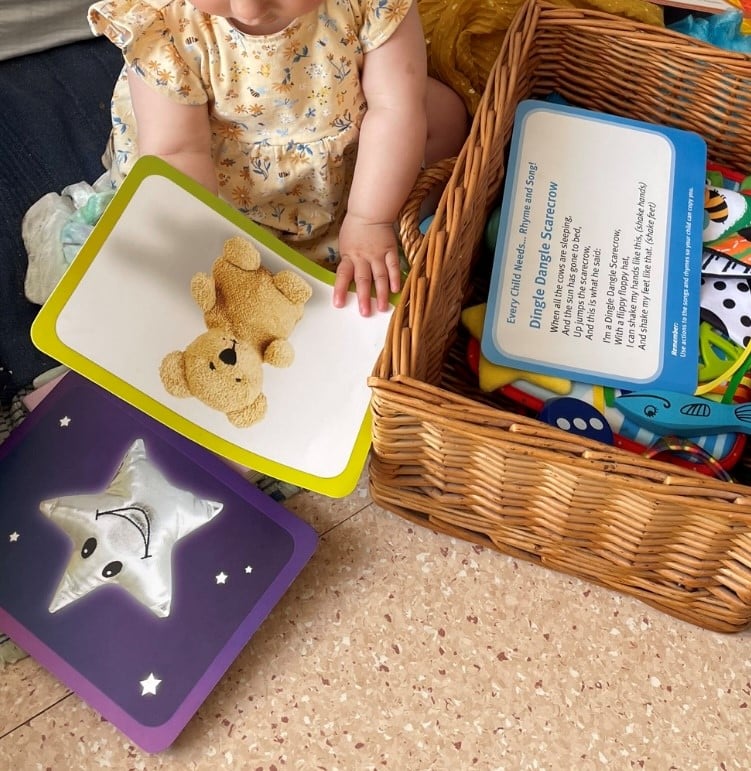
Research shows that children who know 8 nursery rhymes by heart at age 4, are likely to be more confident at spelling and reading by age 8! Singing nursery rhymes is a is a lovely activity to help bond with your baby, and later on, a great way of building your child’s vocabulary. A ‘rhyme…
-

Visual Timetables
Your day, your way! As adults we understand the passing of time and what is coming next. Most of us use a calendar to help us to stay organised, plan events, and manage the unexpected. Your child is yet to learn about the passing of time or what is going to happen next. A visual…