
Filter Your Stage
Filter By Keyword
Filter By Prime Area
Filter By Specific Area
-
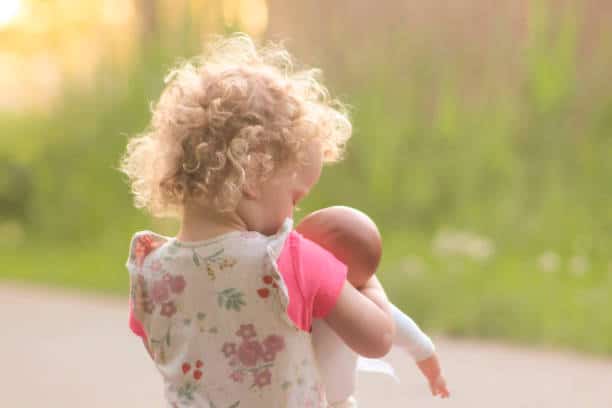
Types of Play
Playful minds! Play and language go hand in hand. Children need a wide range of play in order to develop their language skills. If your child’s language and communication skills are delayed, observation of their play can show a lot about their general development and readiness for language. It can also highlight which type of…
-
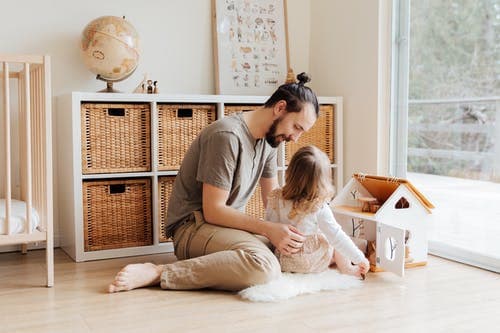
Following Your Child’s Lead
Little leaders! Children naturally have a need to explore and discover new things, so being led by your child can lead to exciting adventures! By following your child’s lead: Stop Look Respond
-
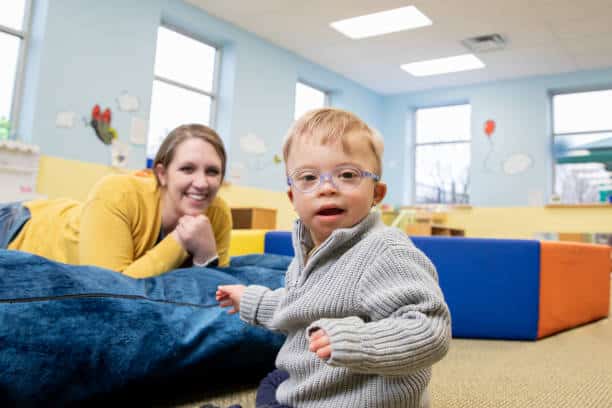
All About Play
Playful minds! Play is about having fun, whether it be an organised activity or unstructured. It underpins your child’s learning and development, and helps them get ready for school. Play allows your child to explore their immediate world, recreate previous experiences, practise new ideas, take risks, solve problems and use their imagination – the learning…
-

Phonics
‘Sounds’ like fun! Phonics are the sounds that letters make, and is a method to help children learn to read and spell words. ‘Formal’ teaching of phonics takes place in schools and is made up of different phases which children learn when they are ready. Each school may use a different programme, but essentially the…
-
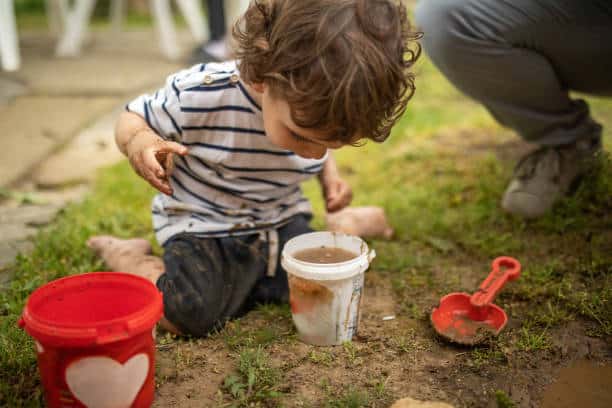
How Children Learn
The different ways young children learn! Children learn in many different ways to one another. Your child may choose their preferred way of learning – such as being active – and that is part of their personality. Offering various experiences to your child allows them to learn different things and a range of skills, including…
-

Raising Bilingual Children
The gift of language! The language you speak with your child is the first language they will learn. It is their first connection to you, to the rest of their family, and to their culture and community. Home language is what your child will first use to learn about the world around them and helps them get ‘set for life’ – you…
-

The Twoness of Two
Exploring early maths! Numbers are all around us – counting things, time, sorting objects – the list goes on! Knowing the ‘twoness of two’ is vital to fully understand later mathematical problems. We want our children to become confident mathematicians, in the same way that we want them to become confident readers and writers. Knowing…
-
Tools for School
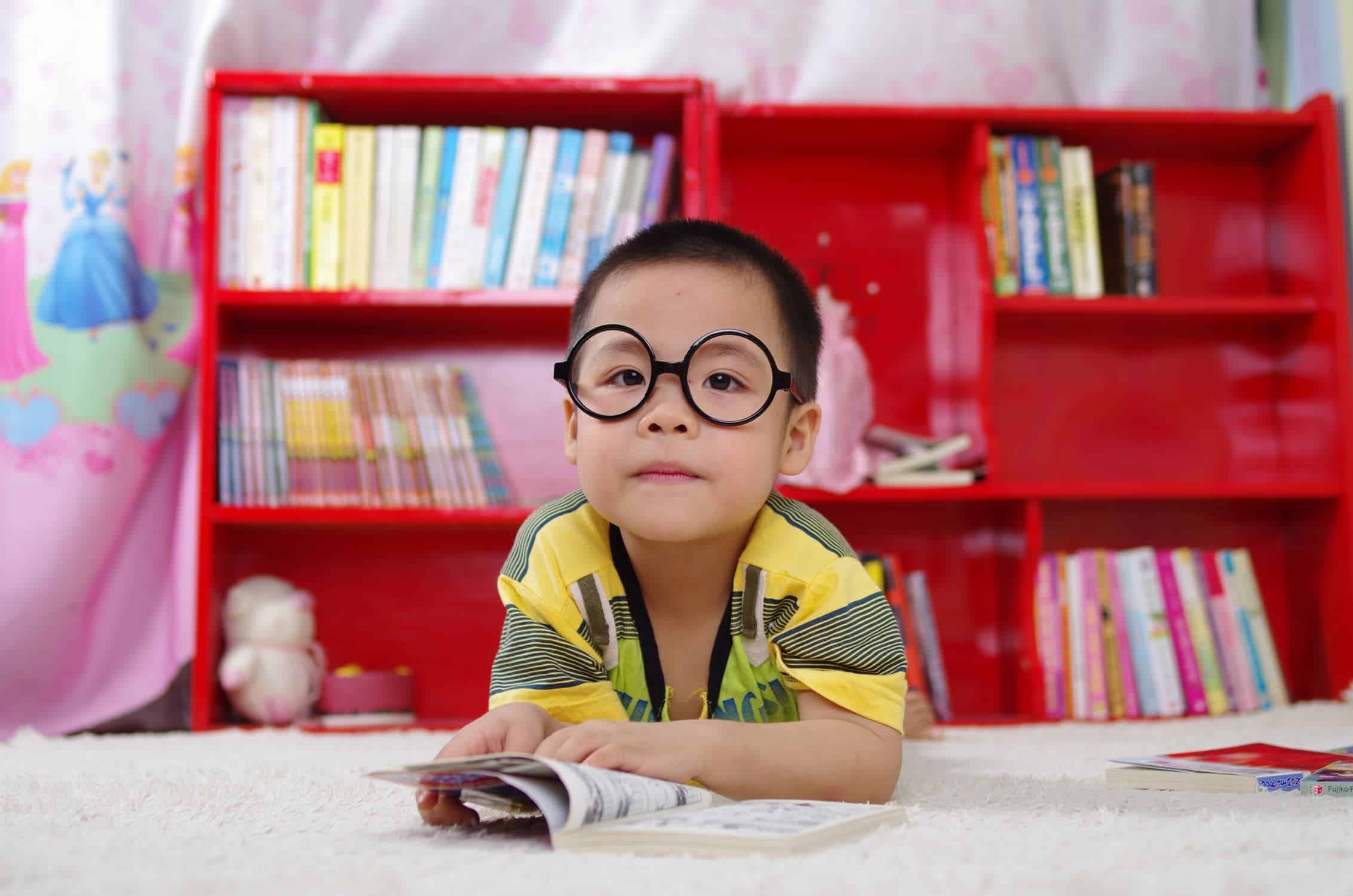
Stepping into school! Lots of parents ask us ‘how can I help my child get ready for school?’ The truth is you have been doing it since the day they were born, with the cuddles and kisses you’ve given, the songs you’ve sang, the books you’ve read and games you’ve played. All these experiences have…
-

Read With Me Under a Tree
A celebration of rhymes, books and the great outdoors! In Summer 2023, we teamed up with Essex Libraries and Essex Country Parks to bring you ‘Read With Me Under a Tree’ borrow bags. The bags included story books, a themed activity sheet and den building kit to help you get outside and have fun! To…
-

Motivating Boys to Write
Positive pen power! There has been lots of research showing there is a clear difference between boys interest in writing and that of girls. Lots of boys tend to be more physically active and avoid table top activities, therefore we need to think creatively about how to encourage boys to write. Variety is key to…
-
Peg, Thread, Write
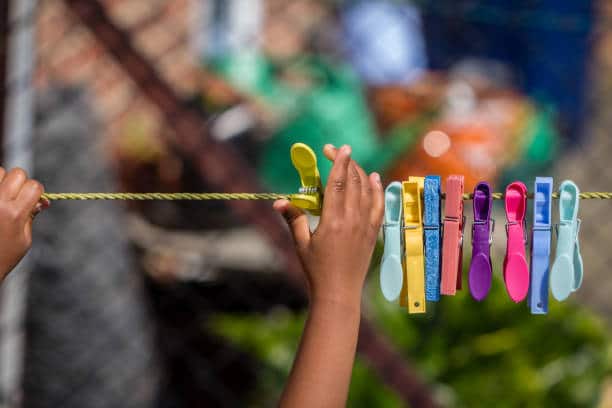
Grip and grow! Almost every interaction you have with your child is preparing them to become a reader and writer. Your child has been learning to write since before they could hold a pencil or crayon! Remember when, as a baby, your child first discovered their toes, trailed their fingers through their food, or scratched…
-
Talking to Your Pre-Schooler 3-4 Years
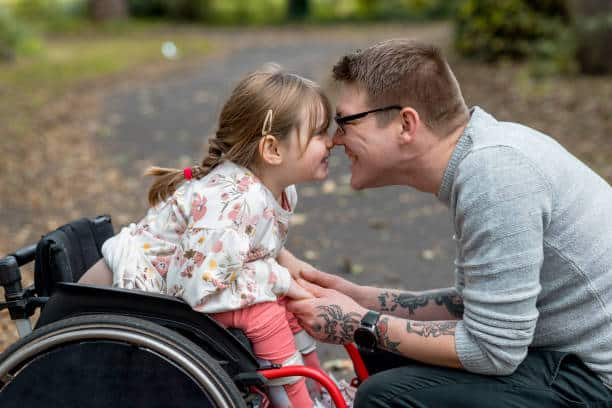
Your child learns to talk every time you talk to them! Your child changes at each stage of their development, and in turn your role as a parent develops with how to support their language and communication skills. As you notice changes in your child, you will notice changes in yourself. Top tips:
-

Homemade Soup
Soup-er mini chefs in the kitchen! Cooking with your child is a great source of learning and development. It does not have to be a complicated recipe – in fact, the simple ones are the best because it is about the process, not necessarily the outcome! Why not try making this recipe for yummy and…
-

Enjoying Bedtime Stories
Little readers, big adventures! Reading with your child offers a rich opportunity for quality time and learning together. It can also be a relaxing activity when winding down for bedtime. While sharing stories with your child you are creating a close and personal experience, as well as developing their language, vocabulary and communication skills. “You…
-

Mark Making
Celebrate the scribble! It may look like scribble to us, but early scribbling and ‘playing at writing’ is an important step on your child’s journey to becoming a writer. Your child will know what these marks mean and will love to tell you about them! Before being able to hold a small pencil, your child…