
Filter Your Stage
Filter By Keyword
Filter By Prime Area
Filter By Specific Area
-

Building Dens
Cosy creations and den-tastic fun! Reasons to build a den: Top tips:
-
Making Friends and Joining In
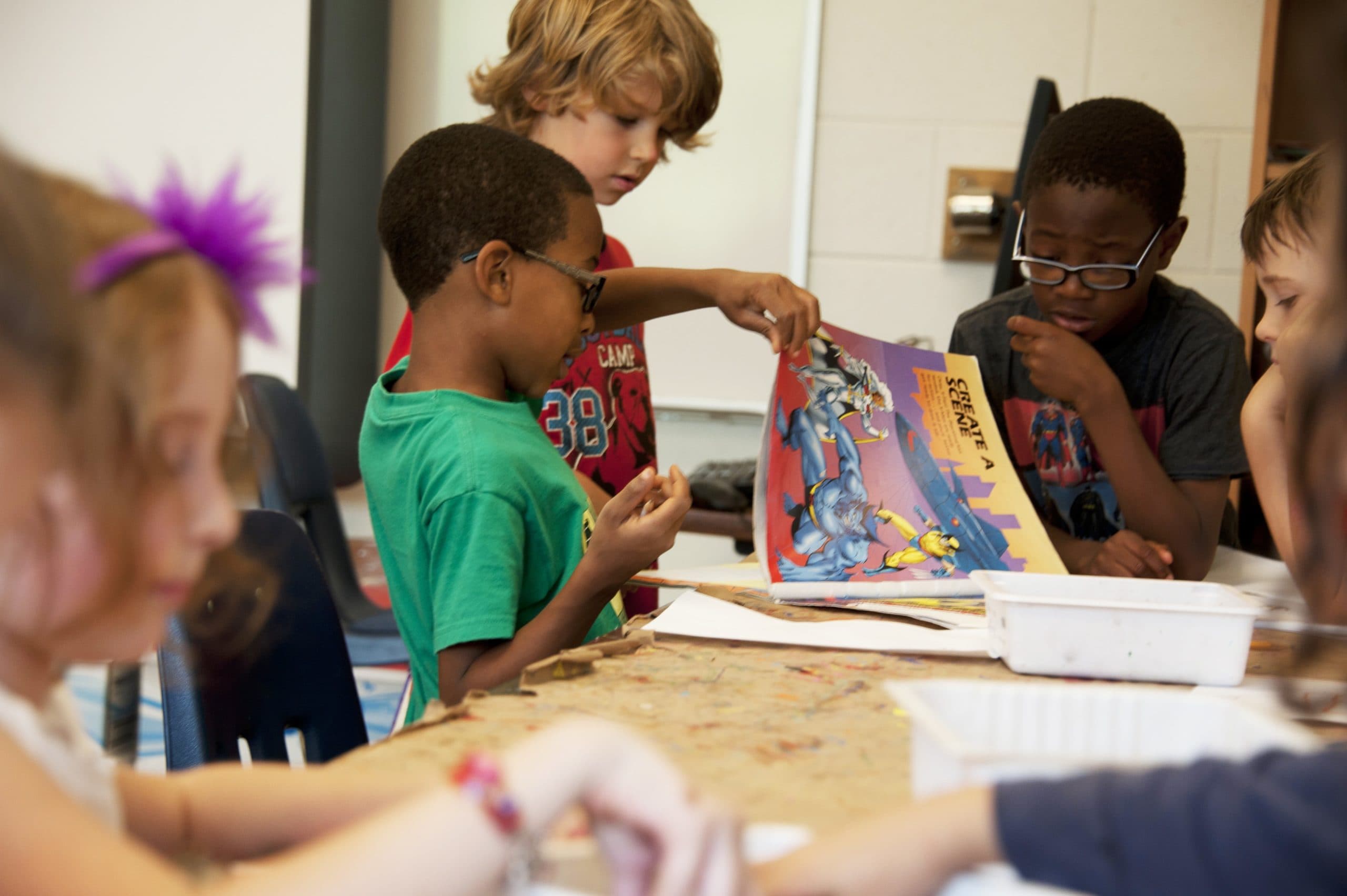
Little friends, big smiles! As young children develop, they begin to interact with others more and start to join in with playful activities. For some children this happens effortlessly, but for others this can be a daunting time. Supporting your child throughout social play is really important. It will offer your child help when they…
-

Messy Play
Messy and magic moments! Children learn through exploring the world around them! A great way to help them do this freely is through messy play – it helps them with so many skills, from pre-writing skills to developing confidence with trying new activities. Messy play ideas: Top tips:
-
Rainy Days
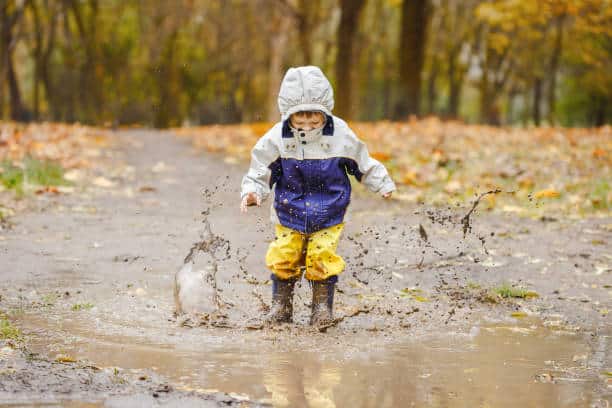
Cloudy with a chance of fun! Children learn best when they experience things first hand and get to actually ‘have a go’. Experiencing jumping in puddles, raindrops on their head, snow on their fingers, and sand in their toes builds a child’s imagination. Having a good imagination helps a child in later years when they…
-
Schemas and Learning Through Play
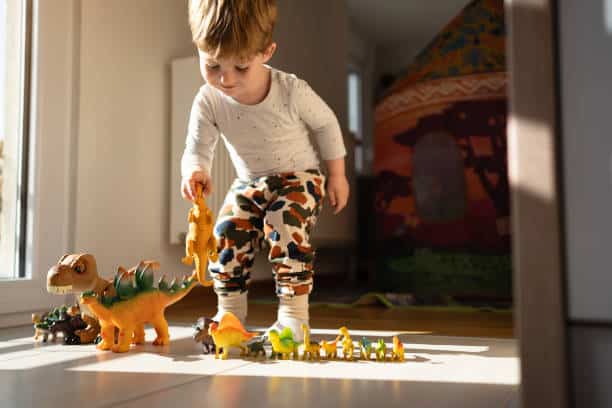
Playful minds! Have you noticed that your child does the same thing over and over again, has fascinations and likes to repeat the same actions? This is called a ‘schema’ and its how children learn, make sense of the world and themselves. These are the more common types of schema: Top tips:
-

Essex Country Parks
Spend quality time together at Essex Country Parks! Discover the Essex Country Parks with your family! The parks offer beautiful surroundings to go on an adventure with your child. Visit the website to find out dates and times for a number of free or low-cost events. Top tips for your visit:
-

Essex Libraries
Find out what’s on at your local library! Baby and Toddler Rhyme Time Baby and toddler rhyme time sessions run in all Essex libraries. You and your child will get to share rhymes and learn new songs – you can also refresh yourself with some old rhymes that you may have heard when you were…
-

Talking Together
Chatter matters! Parents and carers are a child’s first educator. Babies start to learn while they are in the mother’s womb, so it is never too early to start talking to your baby! The more early interaction you have with your child and the more language they hear, the more they learn to listen and…
-

Bathtime Fun
Splish splash play! Daily routines are a great way to play and learn, can help your child become familiar with what is expected, and offer you both quality time together. There is lots of exploring and learning that takes place in the bath, and sharing this with your child can be lots of fun! Top…
-

Independence Skills for School
Mission independence! Developing independence skills in young children takes time, patience and lots of encouragement. By giving your child the chance to practise new things, make mistakes and try again, it will encourage them to be independent; keep praising your child and they will keep trying. Your daily routine offers lots of opportunities for this!…
-

Sharing Stories
Little readers, big adventures! While sharing stories with your child, you may not realise it but you are developing their language, vocabulary and communication skills. You don’t have to be a great reader yourself, just sharing stories with your little one will make a difference and let their imagination run wild! Stories are a great…