
Little readers, big adventures!
Exploring books with your child at the earliest point helps develop their communication and language skills, for example – taking turns in a conversation, eye contact, listening and attention skills, and building vocabulary.
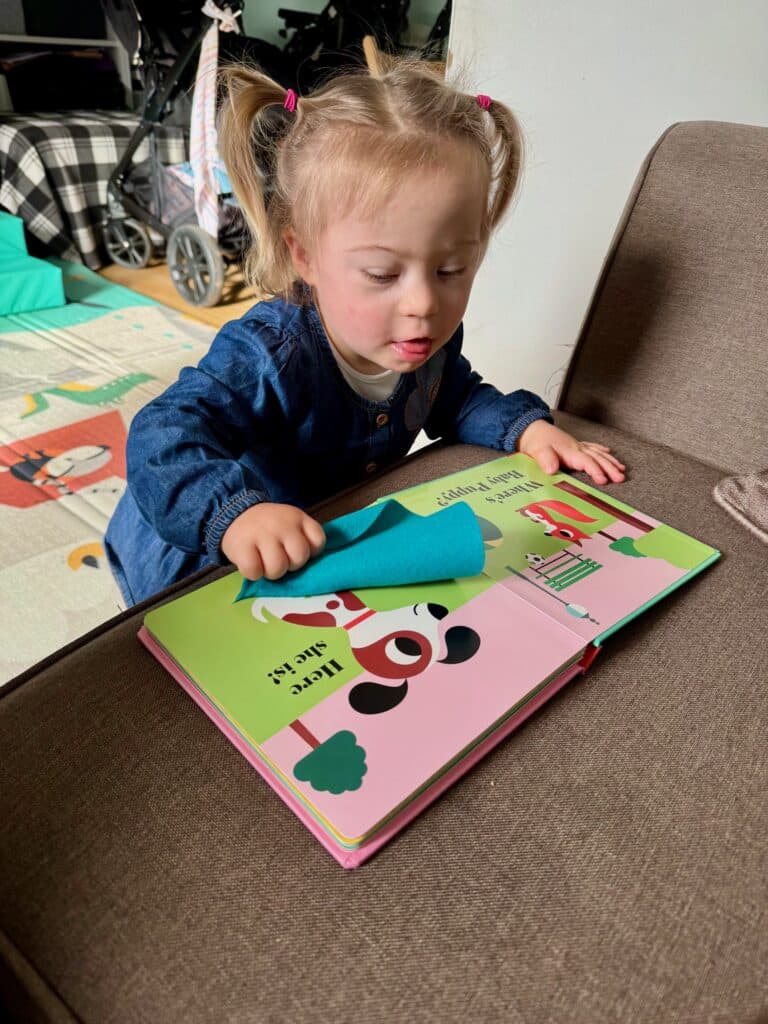
Interactive books are books with flaps, tabs, feely materials, or sound panels. They are great for babies and toddlers, especially those who may be reluctant to look at books.
Some interactive books tell stories, whereas others teach children facts. They can be a lovely accessible way of building up your child’s vocabulary and sentences!
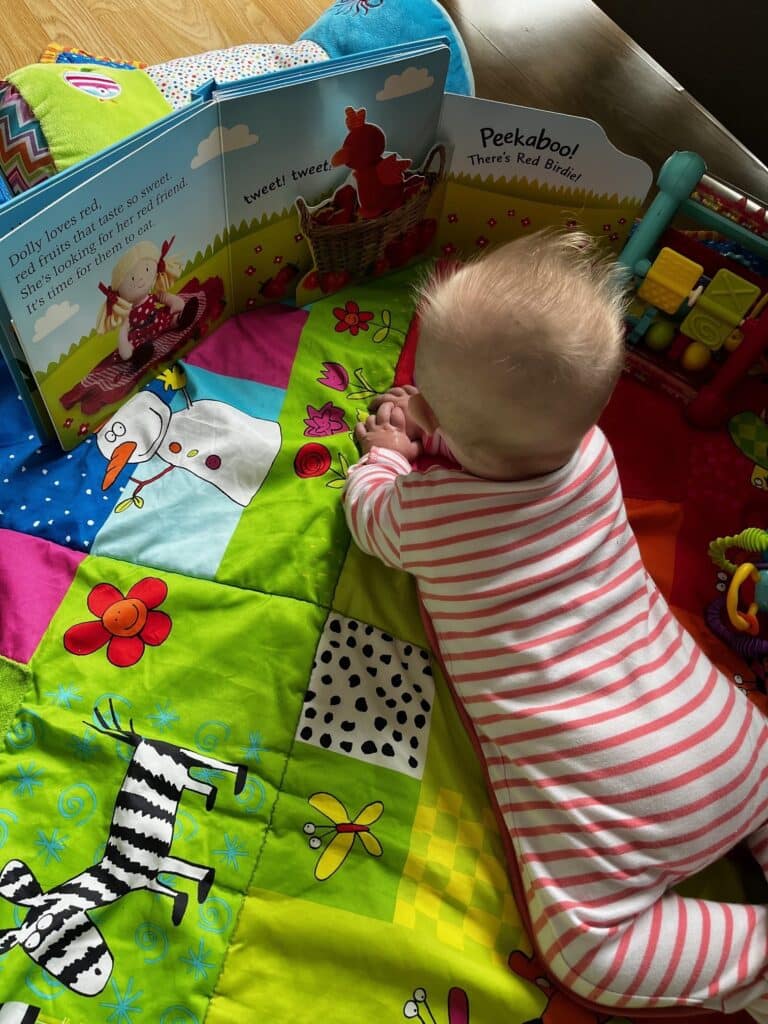
Top tips:
- Share books related to your child’s interests: there are many interactive books available for different topics – you could also find some objects that relate to the book to help your child join in
- Books with sound buttons: these can encourage babies and young children to copy the sounds with gentle modelling by the parent/carer, for example – book sound: ‘Quack’…. adult: “Quack (point to the duck) Duck… the duck says quack’
- You don’t have to start at the beginning or finish the whole story: you may just want to share what is on one page with your child and talk about the pictures – interactive books in particular are usually short and can offer lots of things to talk about on one page
- Follow your child’s lead: this is really important because it can help your child to stay interested, enjoy the story more and can offer you an opportunity to talk -you might not end up finishing the story because the conversation or your child’s interest might lead on to something else
- If English isn’t your first language: read to your child/talk about pictures in your home language: The Importance of Home Language – TLC
- If you’re not a confident reader: please don’t worry – simply looking at pictures and talking about what you see helps your child to enjoy a story, and you can even invent your own version of it!
