
Playful minds!
Play is a way that that your child can make sense of the world, themselves and others. As they grow and develop, they will gradually move through the different stages of play.
It is important that you play with your child at every stage of play when they are ready, as this will help to develop their awareness and social skills. Talking through what your child is doing and making connections helps them to develop new words.
Solitary play

Early play tends to be solitary, where your child is happy to be on their own and direct their own play without needing to be concerned about others.
You may find at this stage your child might not notice or be interested in the other children playing around them because they are fully engrossed with their own play and discovery.
Parallel play

At this stage, your child will play side by side without interaction. They might mimic the others child’s play but they are still separate. They may watch other children and make some attempts to make contact.
Towards the end of this stage, your child may begin to cooperate with other children, e.g. share toys.
Co-operative play
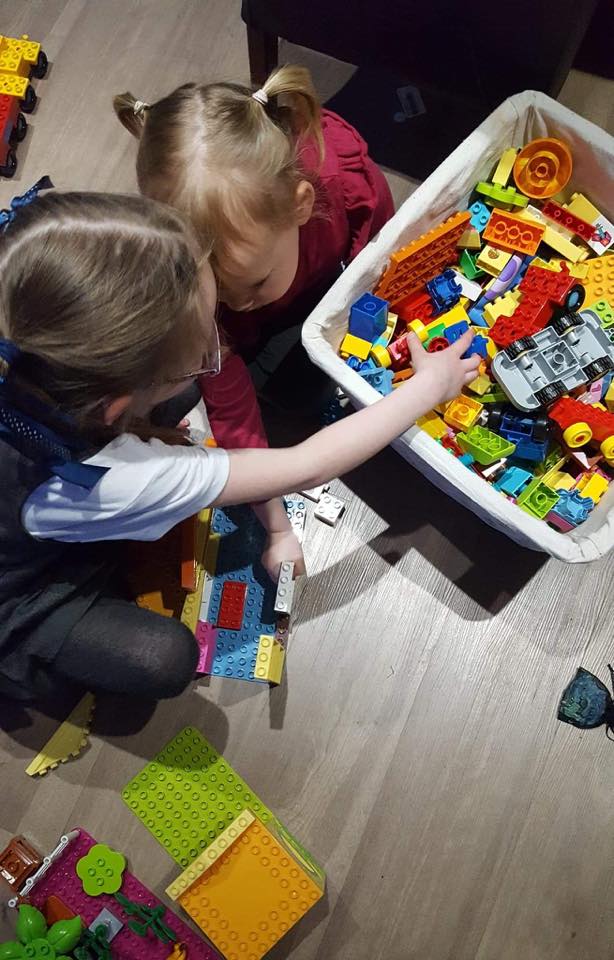
This is the stage where your child is beginning to interact with other children. They are able to play together, share toys and take turns in games.
The increasingly co-operative nature of the play provides opportunities to practice using language for different purposes, including: arguing, questioning, explaining and directing what others do.
Some children with communication difficulties may find more advanced social play a little challenging. With gentle encouragement and support, they can gradually build these skills, which are important for connecting with others and taking part in everyday life.