
Play makes sense!

Discover fun indoor and outdoor play ideas tailored to children’s sensory preferences in the chart below!
| Sensory System | I Like To… (Sensory Seeker) | Things That Help Me Feel Comfortable (Sensory Avoider) |
| Looking (Visual) | • Play with torches of multiple colours, hide items and shine on found items. • Make & watch sensory bottles, fill with glitter, sequins and dried rice and coloured water for maximum impact. • Look & find colourful lights in tubs and boxes. • Play stop and start games with light up toys, not only are the lights engaging but the switch pressing is too. • Mirror play is great for engagement with seekers who need to stop & stare for a moment to touch or name facial features. • Go on a picture or treasure hunt in the house, garden or park. | Play games with different materials such as see through scarves. • Play chase the light -use soft lighting torches & shine into dark boxes and tap the spot. • Play in a calm space like a dark den and hide outs under the table, or a homemade tent. • Look at simple pictures & books with big single pictures. • Sunglasses & caps outdoors or in bright rooms. Watching bubbles float around them with adult gently popping. |
| Listening (Auditory) | • Musical instruments, playing turn taking games for sounds. • Clapping, rhythm games, singing and action songs. • Drumming circles, this can be done with pots & pans you don’t need a huge drum kit. • Sound matching lottos and auditory puzzles. • Dance and movement activities. | • Soft background music. • Familiar nursey rhymes can be enjoyed together, but some may enjoy more when wearing ear defenders. • Listen to stories and books in a calm space. |
| Touching (Tactile) | • Painting with big brushes, sponges and making messy splats. • Sensory trays with slime, mud, shaving foam and cold food items like beans are great for seekers to explore. • Lucky dips bags & boxes are great fun, fill boxes with shredded paper and hide every day favourite items in them to be found. • Water play – tipping, pouring & splashing are popular with seekers. | • Mark making may look different and more creative for our avoiders so putting paint in zip wallets will still create a visual impact when touched or moved, even by adults. • Sensory trays of different materials such as magic sand, dry dirt, & ice may support sensory avoiders to touch and explore at their own pace and watch others do it, without feeling overwhelmed with mess. • Avoiders may like items that have a one touch action such as a water spray bottle where they can squirt once (at an adult) but get instant success, without getting wet themselves. • Repetitive cause & effect toys which are one touch with instant effect such as; click clacks and ball towers, are great crowd pleasers. |
| Smelling & Tasting | • Try crunchy foods – make pasta face pictures & jewellery. • Smell herbs & flowers on walks & gardens, collect to make pictures. • Cooking – children love being involved in everyday tasks with sequence of tasks. • Sensory trays with dry items like rice and past mixed with herbs and scented flavourings. | • Subtle scents added on to soft cloths or material to experience. |
| Moving & Balancing (Vestibular) | • Jumping on cushions as stepping stones or making obstacle courses. • Bouncing on beds to count downs of 5 or 10. • Running & chasing games including hide & seek in outdoor spaces. • Hanging upside down on a gym ball or off the sofa. • Tug of war with stretchy and non-stretchy materials really works well for seeker fun. • Swinging on swings, spinning equipment, trampolining and scooters. | • Feet-on-floor activities such as wall pushing, with hands on the wall and model trying to ‘push the wall over’. • Slow rocking on chairs, swings, gym balls or wobble stools. • Supported stair climbing can be fun, place items of interest on steps to aim towards. • Slow stretching copycat games Stable seating for tabletop activities. |
| Heavy Work (Proprioception) | • Carrying & pushing boxes filled with suitably weighted items. • Yoga movements. • Breathing exercises. • Load backpacks with a couple of small water bottles or similar items to wear on walks. | • Bubble wrap stomping with shoes on can give a satisfying, predictable acoustic pop. • Build with soft blocks or mirrored blocks. • Use chunky pencils and chalks for mark making or posting into pots & boxes. • Squeeze playdough & add Mr Potato Head pieces to make faces. • Do threading activities with chunky beads. |
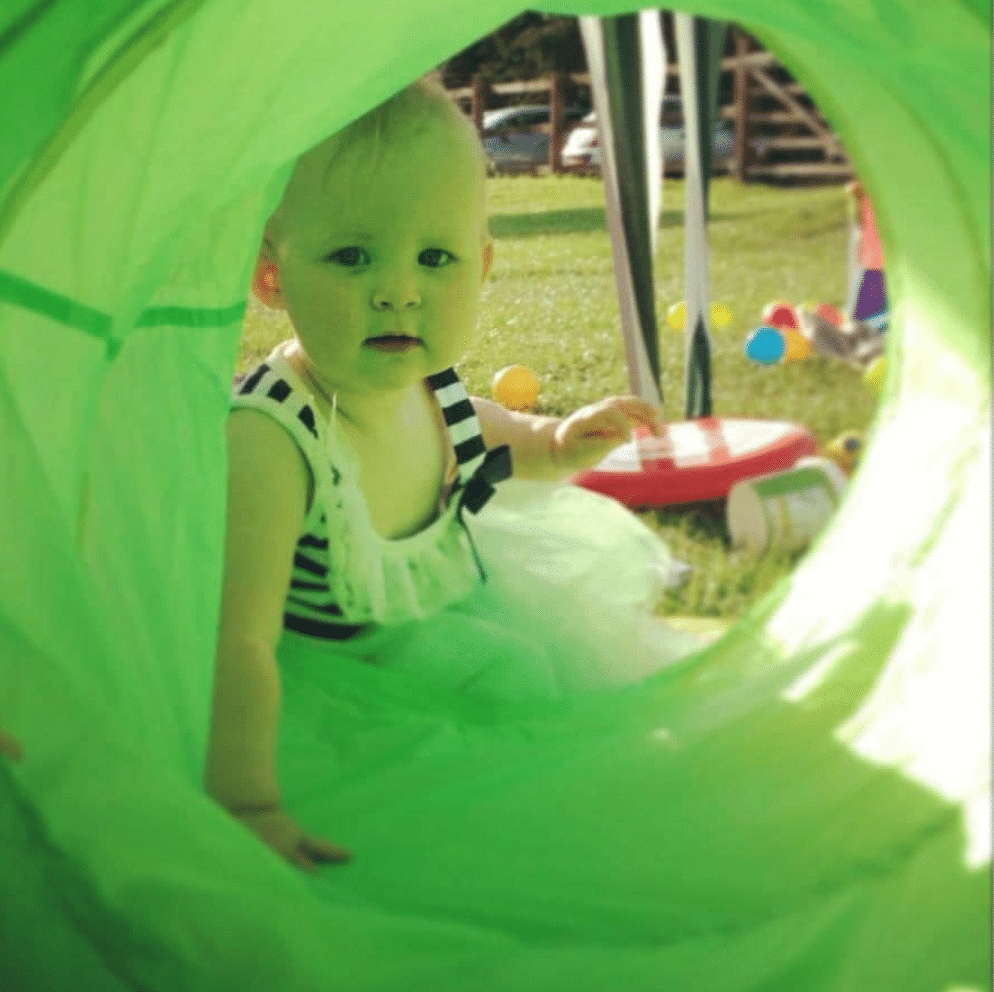
TOP TIPS FOR SENSORY SEEKERS
- Provide daily opportunities for movement (running, climbing, jumping, balancing).
- Include heavy work activities such as carrying, pushing, pulling, stacking, and moving equipment.
- Offer deep pressure experiences through cushions, beanbags, cuddles (when welcomed), weighted toys, or squashing games.
- Use sensory trays with water, sand, foam, playdough, or natural materials.
- Build movement breaks into routines rather than waiting until a child becomes dysregulated.
- Create safe spaces for spinning, rocking, swinging, and active exploration.
- Use music, rhythm, songs, and action rhymes to support engagement.
- Use short phases to build engagement, anticipation and understanding that the play will start such as; Ready, Steady, Go and Get set for a turn or simply 3,2,1 Go.
- Observe what sensory input helps the child regulate and incorporate it regularly throughout the day.
TOP TIPS FOR SENSORY AVOIDERS
- Reduce unnecessary noise and visual distractions where possible.
- Give children advance notice before transitions, changes, or new activities, countdowns really work.
- Offer quiet, low-stimulation spaces they can access independently.
- Respect sensory boundaries and never force participation in sensory experiences.
- Introduce new textures, sounds, and activities gradually and at the child’s pace.
- Allow children to observe before joining in.
- Use predictable routines and visual supports to increase feelings of safety.
- Offer alternative materials when children dislike particular textures (for example, tools instead of direct hand contact).
- Consider lighting, clothing comfort, smells, noise levels, and room layout.
- Celebrate small steps and recognise that sensory preferences are valid.
In Essex, the Talk, Listen, Cuddle campaign and the Early Years Sensory Awareness Toolkit both emphasise the importance of sensory‑rich, responsive experiences that place relationships at the heart of learning.