
All Resources
Filter By Keyword
Filter By Stage
Filter By Prime Area
Filter By Specific Area
-

Managing Emotions
Feelings and emotions matter! Learning to manage emotions is a really important skill for your child and will help them to build positive relationships with others, adapt their behaviour to different situations, enjoy trying new challenges, and explore learning as they grow. Children learn how to manage big emotions through feeling safe and secure in…
-

Going to the Seaside
We do like to be beside the seaside! For young children, a trip to the seaside can provide opportunities for learning and development as part of the The Prime Areas of Learning – TLC. All the new experiences that come with a visit to the beach support your child’s personal, social and emotional development, helping…
-

Box Play
Thinking inside the box! With the popularity of online shopping, cardboard boxes are a regular feature in many homes. So, before you add these boxes to the recycling pile, consider how they can be used in play! With a humble cardboard box, the opportunities for imaginative play, vocabulary development, and fine motor skills practice are…
-

Bedtime Routines
Lights out for little ones! Bed time: Sleep is essential for your child’s physical, mental, and emotional well-being as it supports growth, learning and memory, as well as impacting their behaviour. For some babies and young children sleep comes relatively easily, but for others good sleep habits (known as sleep hygiene) can take longer to…
-
Using the Toilet at School
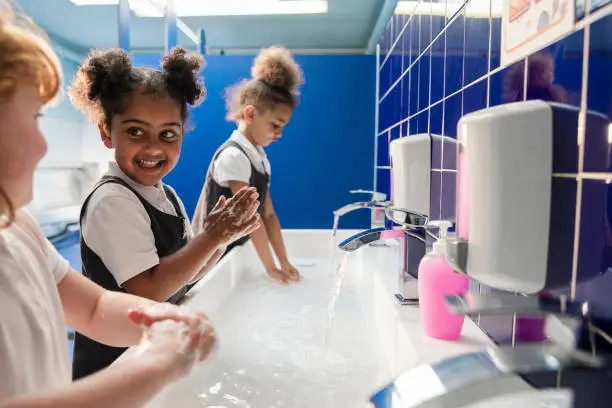
Tackling those common worries! At school, children sometimes become so involved in their play they may ‘forget’ to go to the toilet or leave it too late to get there in time. As a parent you may worry that your child is going to stay wet all day and be uncomfortable, but the school staff…
-

Potty and Toilet Training
Positive potty training! Most children are ready to begin potty or toilet training sometime between 18 months and 3 years old. Your child may find the change from nappies to pants relatively easy, or may find it more challenging. There are lots of things you can try to make things go more smoothly! Top tips:
-
Vertical Surface Play
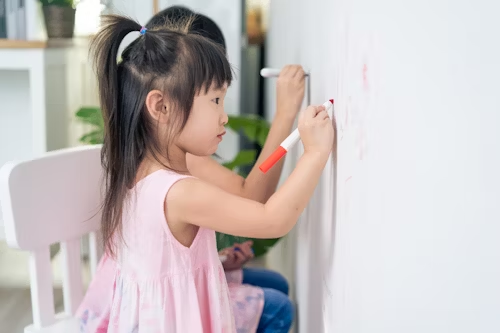
Straight up fun! Vertical surface play involves engaging with activities on a vertical surface, such as a wall, whiteboard or fridge. It has many developmental benefits for all children, and it’s never too early to introduce it to your baby or child! It can help to improve: Top tips: Learn more with our free resources…
-

ACL Essex Family Learning
Bringing families together! About ACL Essex Family Learning ACL Essex Family Learning offers a wide range of free courses and workshops designed to support parents, carers, and children across Essex. Whether you’re navigating the challenges of parenting, supporting a child with additional needs, or simply looking for fun and educational family activities, our team is here to…
-
Cloth Nappies
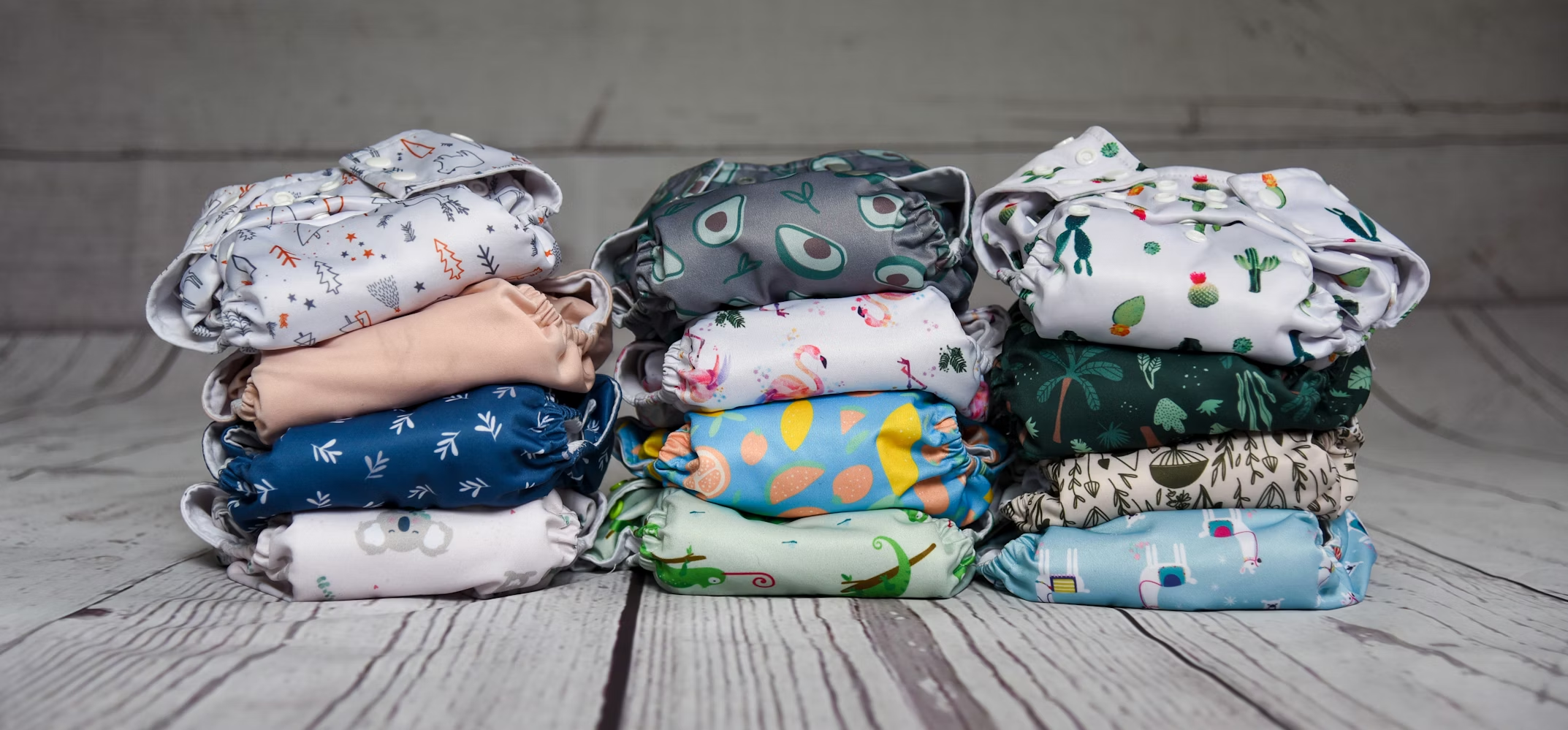
Planet friendly pants! Did you know that in the UK around 8 million disposable nappies go to landfill each year? A disposable nappy can take an estimated time of 300-500 years to break down; in that time, harmful chemicals and gases such as methane are released, contributing to global warming. Using cloth nappies can seem…
-

Sing, Sparkle, Smile
Make tooth brushing a daily adventure and smile! We know that getting your little ones to brush their teeth can sometimes be challenging, so we’ve got some top tips to make it fun rather than a chore! Top tips: Here are some helpful resources for you to view and download: Essex Libraries Looking After Your…
-
Oral Health
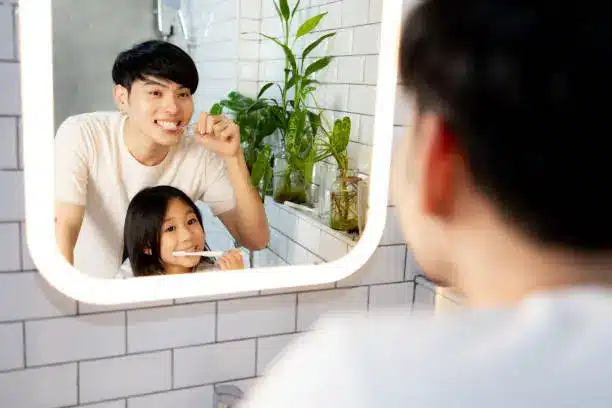
Tip top teeth! Oral health is all about looking after your mouth and teeth, no matter your age, as part of your general health and wellbeing. Taking care of baby teeth is essential for a child’s health and development, and there are lots of resources out there to help! What you need to know: Here…
-

Essex Family Information Service
The Essex Family Information Service (FIS) is a free and impartial service for parents and carers. The FIS includes lots of information to help you find out about local services for babies, children and young people. There are also links to extra help and services that are available if your child has a Special Educational…
-

Preparing for Primary School
What you need to know for before and after applying! The school year runs from September to July, so your child will start school within the school year they turn 5. For example, if your child turns 5 in July they can start school the previous September when they are still 4. Starting reception class at…
-

Developing Language in Nature
Nattering in nature! The best thing about being in nature is it instinctively promotes language! Firstly, being in nature helps your child develop their listening skills. They learn to tune in to the sounds around them, like birds chirping, leaves rustling, or waves lapping. This careful listening is crucial for language development, as it helps…
-

Nature Play
Wild and wonderful! Young children love to be outdoors and they usually head to a garden, playground, or park. These places are well-kept, with trimmed grass, cleared weeds, and tidy equipment. These spaces are great for children to play, run around, take risks, and develop their senses. But ‘outdoor play’ isn’t always the same as…