
All Resources
Filter By Keyword
Filter By Stage
Filter By Prime Area
Filter By Specific Area
-

Essex Early Years and Childcare Charter
What the Charter means to you as a parent or carer! If your child attends childcare or primary school, the setting may be a Charter member. Their membership supports Essex County Council’s Early Years and Childcare Strategy to ensure every child in Essex gets the best start in life. Since its launch in November 2022,…
-

Phonological Awareness
Sounds, syllables and songs! Phonological awareness is being able to hear and distinguish sounds in words and sentences such as rhyme and alliteration. This is an auditory skill; what you can hear, not what you can see and read. Phonological awareness is not the same as ‘phonics’ which is the sound of a letter, for…
-

Navigating Change
Change champions! Small children are constantly growing and developing, whilst life around them is continually changing. From taking their first steps, to welcoming a new sibling or starting at school, your child will encounter so many new environments, different people and new experiences. All these come with new language, rules, expectations and emotions. Some children…
-
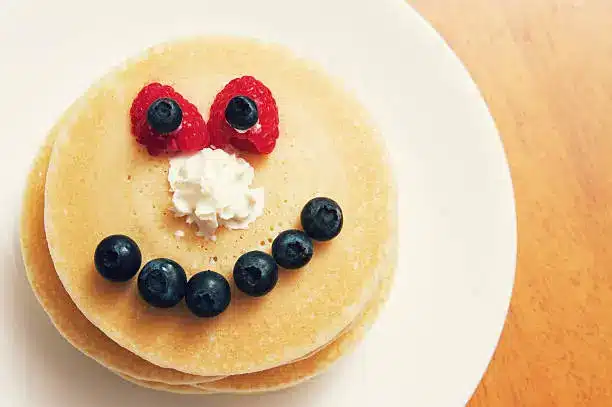
Homemade Pancakes
Perfect pancakes made easy! Cooking pancakes is a great activity to encourage lots of talking with your child! New words you can introduce: What you need: Allergy Disclaimer: Always check the label of each ingredient for allergy warnings What to do: Recipe Source: Delia Smith, BBC Food – Kid’s Pancake Recipes Top tips:
-

Screen Time
Smart parenting in a digital world! The first 1,001 days are a critical period for a child’s development. Research shows us that babies and young children achieve the most development when an adult engages with them through playful learning on a regular basis – chatting, playing, and reading. This will help them build strong emotional…
-

A Christmas Adventure
Merry and bright delight! The weeks leading up to, and during, Christmas can get very hectic. There is lots you can do with your little one to ensure you have quality time together this season with some magical moments! Top tips: Leading up to Christmas During and after Christmas
-

Arts and Crafts
Getting crafty with Stick Man! Creativity plays a crucial part in your child’s learning and development. It contributes to many aspects of learning such as curiosity, imagination, and problem solving. Arts and craft activities are a fun and powerful way to support your child’s speech and language skills. Your child will practise listening, following instructions,…
-

Best Start in Life
Giving every child the best start in life! Best Start in Life was launched in September 2025 and is the UK Government’s strategy to ensure that a child’s background does not determine their future success, and that all children develop well by: learning to communicate, building relationships, managing their emotions, playing and learning. This is…
-

A Halloween Journey
Spells, stories and scribbles! Did you know there are four strands to supporting your child’s Early Literacy? These are: For young children, Halloween can provide multiple opportunities for learning and development in all of these strands! Top tips: Create a Halloween Story Map to develop your child’s early writing skills: A story map is a…
-

Managing Emotions
Feelings and emotions matter! Learning to manage emotions is a really important skill for your child and will help them to build positive relationships with others, adapt their behaviour to different situations, enjoy trying new challenges, and explore learning as they grow. Children learn how to manage big emotions through feeling safe and secure in…
-

Going to the Seaside
We do like to be beside the seaside! For young children, a trip to the seaside can provide opportunities for learning and development as part of the The Prime Areas of Learning – TLC. All the new experiences that come with a visit to the beach support your child’s personal, social and emotional development, helping…
-

Box Play
Thinking inside the box! With the popularity of online shopping, cardboard boxes are a regular feature in many homes. So, before you add these boxes to the recycling pile, consider how they can be used in play! With a humble cardboard box, the opportunities for imaginative play, vocabulary development, and fine motor skills practice are…
-

Bedtime Routines
Lights out for little ones! Sleep is essential for your child’s physical, mental, and emotional well-being as it supports growth, learning and memory, as well as impacting their behaviour. For some babies and young children sleep comes relatively easily, but for others good sleep habits (known as sleep hygiene) can take longer to establish. All…
-
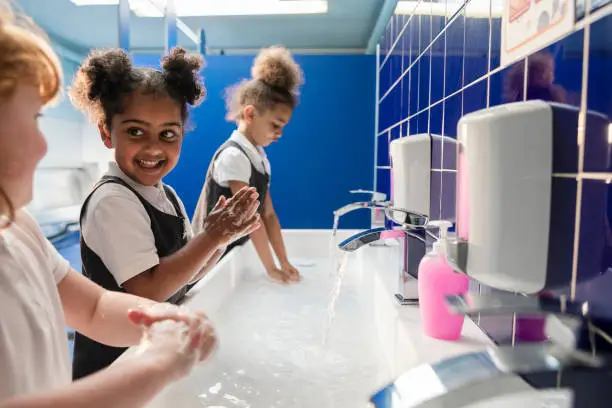
Using the Toilet at School
Tackling those common worries! At school, some children can become so involved in their play that they ‘forget’ to go to the toilet or leave it too late to get there in time. As a parent you may worry that your child is going to stay wet all day and be uncomfortable, but the school…
-

Potty and Toilet Training
Positive potty training! Most children are ready to begin potty or toilet training sometime between 18 months and 3 years old. Your child may find the change from nappies to pants relatively easy, or may find it more challenging. There are lots of things you can try to make things go more smoothly! Top tips: